Industry Leaders Examine the Impact of the Conflict in the Middle East
_2.jpg)
By Simon West
Amid escalating tensions in the Middle East, industry leaders unpack the operational and strategic challenges ahead and offer sound advice for navigating an increasingly complex environment.
From Issue 2, 2026 of Breakbulk Magazine.
(6-minute read)
--MANAGING RISK AND DISRUPTION
John Pittalis, head of marketing and communication, AAL Shipping
_2.jpg) In response to the evolving situation and to effectively manage operational and safety risks, AAL Shipping has taken proactive and decisive action across its fleet deployment and routing strategies. As a precautionary measure, AAL has suspended all sailings through the Persian Gulf until further notice.
In response to the evolving situation and to effectively manage operational and safety risks, AAL Shipping has taken proactive and decisive action across its fleet deployment and routing strategies. As a precautionary measure, AAL has suspended all sailings through the Persian Gulf until further notice.
As part of this approach, liner sailings under our Europe–Middle East–India–Asia service linking Europe to the region have been cancelled. These steps have been implemented to safeguard our crews, vessels and cargo while limiting exposure to heightened regional risk. As a result, no further sailings to the Persian Gulf are currently planned, and we will continue to reassess conditions through ongoing security evaluations before considering any resumption of services. Nevertheless, we are actively working closely with our clients to resolve their cargo movement requests with alternative solutions.
In terms of long-term changes, security-related risks, including sudden route closures, increased insurance and compliance requirements and the potential for renewed military or political flare-ups, are likely to persist. As we have seen, these factors can introduce volatility into scheduling, costs and capacity planning, particularly for complex, time-sensitive project cargo movements, not to mention the most important factor, which is the safety of crew, vessel and cargo. Economic risks also remain elevated. While oil prices and financial markets have shown signs of stabilization, energy price volatility, bunker fuel fluctuations and inflationary pressures continue to affect operating costs and project economics. Any renewed instability could quickly reverse recent gains.
Hugh Cox, chief commercial officer, RAK Ports, (the closest major port in the UAE to the Strait of Hormuz)
_2.jpg) We’ve significantly increased security and taken a much more proactive approach through patrols, tighter control over movements in and out of the port, and close monitoring of how the situation is evolving. We’re working closely with customers to manage pressure points and address security concerns, with clear contingency plans in place, including evacuation procedures, controlled zones and designated safe areas.
We’ve significantly increased security and taken a much more proactive approach through patrols, tighter control over movements in and out of the port, and close monitoring of how the situation is evolving. We’re working closely with customers to manage pressure points and address security concerns, with clear contingency plans in place, including evacuation procedures, controlled zones and designated safe areas.
From a risk perspective, we’re a bulk and project cargo fabrication hub and don’t handle liquid bulk, so we don’t carry the same exposure as oil or gas terminals. A lot of what we’re developing is major infrastructure such as wind components for export markets like Europe, so I wouldn’t view us as a strategic target in the same way, even though you can never rule that out entirely. We also have a very good relationship with local and federal authorities, and we are guided by the information they share with us.
Operationally, the impact has been mixed. Our diversification across both intra-Gulf and external markets has helped. Regional trade is still moving — particularly into Kuwait, Qatar, Bahrain and Saudi Arabia — and we’ve seen record volumes on that side. Outside the Gulf, volumes obviously have slowed, which is to be expected given the constraints. But we expect that as soon as the straits open back up, the likes of our project cargo customers have got several shipments ready to go.
What we’ve seen is supply chains being turned on their head, but we’re finding ways to import and export, and to get those products to market inside and outside the Gulf. We’re rerouting cargo via the UAE’s east coast and Oman, breaking shipments down and reconfiguring them to keep them moving. We’re also using inland solutions — airfreight, trucking and multimodal options — to bridge gaps where needed.
So while it’s a challenging environment, the focus is on staying flexible and working closely with customers to find solutions. This is a time to create new relationships and rebuild old ones. Trade is still flowing, and this is really about adapting in real time and maintaining connectivity wherever we can.
Vipin Rajan, business and projects manager, Al Bader Shipping (based in Kuwait City)
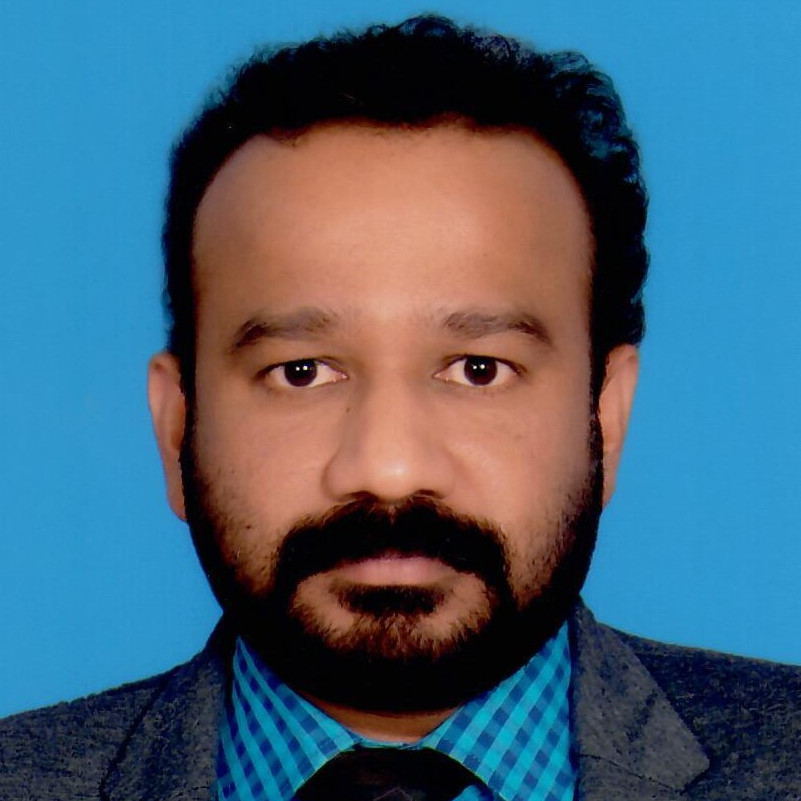 Kuwait and most Middle East countries are experiencing significant disruptions due to the ongoing regional tensions. With the Strait of Hormuz currently closed, vessels including main carriers are unable to reach Kuwait from international waters. As a result, many carriers have declared end of voyage,” with cargo being discharged at alternative ports prior to the Strait of Hormuz, such as Jeddah, Khorfakkan and ports in Oman.
For high-value, essential, perishable or urgent cargo, we are arranging transportation from these ports to Kuwait by road, despite the significantly higher costs involved. However, for cargo that is not high-value, non-essential, nonperishable and not urgent, customers are generally unwilling to proceed with inland transport via this route due to the elevated expenses. The situation may become more complex if the closure of the Strait of Hormuz continues for an extended period.
Capt. Rahul Khanna, global head of Marine Risk Consulting, Allianz Commercial
_1.jpg) From an insurance perspective, the risk profile of vessels transiting the Strait of Hormuz has gone through a material shift since the beginning of hostilities, from being regular transit through a shipping lane to an extreme war risk to the vessel and its crew. This is an exponential increase in risk not just from insurance but all perspectives with the highest risk to the crew. There is further differentiation of the risk profile of individual vessels based on type of vessel, nationality and links to countries directly involved in the conflict.
From an insurance perspective, the risk profile of vessels transiting the Strait of Hormuz has gone through a material shift since the beginning of hostilities, from being regular transit through a shipping lane to an extreme war risk to the vessel and its crew. This is an exponential increase in risk not just from insurance but all perspectives with the highest risk to the crew. There is further differentiation of the risk profile of individual vessels based on type of vessel, nationality and links to countries directly involved in the conflict.
In general, tankers are considered to be safer vessels in terms of their safety record despite carrying highly flammables cargo. However, in this case they carry larger risk than other cargo vessels when attacked. War risk insurance is still available for all types of vessels albeit at a price. Pricing is based on the individual risk profile and the current local conditions. This applies to both marine (hull) and cargo insurance.
It is difficult to predict how the situation will unfold in the medium to long term but the Middle East as a region has seen conflicts repeatedly. Insurance risk and pricing is usually reflective of the current situation. If the situation improves, as in cessation of hostilities, the risk and pricing will change accordingly. It is important to remember that this is the first time the Strait of Hormuz has been effectively closed despite multiple conflicts in region. This may have some impact on the region’s long-term assessment of risk by the insurers.
--PAUSED PROJECTS, EMERGING OPPORTUNITIES
Ryan McPherson, regional director, Middle East, Africa, Russia and CIS, Energy Industries Council (EIC)
.jpg) From what we hear across the supply chain, project delivery is being impacted. Energy companies are dealing with logistics disruption, slower movement of materials, more caution around procurement and greater pressure on delivery times, cost and cash flow. But the impact varies a lot by country and by project stage. Some markets are still moving and some opportunities still coming through, but we’re naturally seeing delays, rephasing and tougher commercial conversations rather than immediate project cancellations.
From what we hear across the supply chain, project delivery is being impacted. Energy companies are dealing with logistics disruption, slower movement of materials, more caution around procurement and greater pressure on delivery times, cost and cash flow. But the impact varies a lot by country and by project stage. Some markets are still moving and some opportunities still coming through, but we’re naturally seeing delays, rephasing and tougher commercial conversations rather than immediate project cancellations.
Projects that depend on imported equipment, specialist contractors, complex shipping routes and fixed delivery schedules are the most vulnerable. That could include large oil and gas, LNG-linked and petrochemical developments, but it is not only about sector. It is also about contract structure and supply-chain resilience. If a project is already running on tight margins, with limited room to absorb delay or cost escalation, prolonged instability can put real strain on it very quickly. We are also seeing concern around cash flow, extension-of-time claims and supply-chain failure, which tells you where companies are feeling the pressure.
At the same time, the conflict is increasing the focus on energy security, which is accelerating investment in projects seen as more resilient and strategically important, including gas, renewables and grid infrastructure in markets such as Saudi Arabia.
Thomas Skellingsted, managing director, LPX Partners (the investment arm of Logistics Plus)
_1.jpg) Looking ahead, the scale of upcoming work is already becoming clear. For example, repairs at Qatar’s LNG facility in Ras Laffan Industrial City could take five to six years, representing a significant long-term undertaking. This may also encourage the development of smaller, distributed refineries in other locations to improve operational resilience, allowing capacity to shift if one facility goes offline.
Looking ahead, the scale of upcoming work is already becoming clear. For example, repairs at Qatar’s LNG facility in Ras Laffan Industrial City could take five to six years, representing a significant long-term undertaking. This may also encourage the development of smaller, distributed refineries in other locations to improve operational resilience, allowing capacity to shift if one facility goes offline.
At the same time, momentum behind solar power and renewable energy particularly in Saudi Arabia continues at pace. Given that much of the required equipment cannot be produced locally, a substantial volume will need to be imported, sustaining demand for project cargo. Turning to Iran, it is likely that extensive repair and reconstruction efforts will be required in due course, presenting further opportunities across the sector.
In the short term, projects are being delayed rather than cancelled, largely due to financial pressures. Crude oil and bunker fuel prices have risen sharply, from approximately US$500 to as high as US$2,000 per tonne. This can increase vessel operating costs by US$10,000 to US$20,000 per day, which many projects simply can’t absorb.
As a result, developers are pausing activity while awaiting greater price stability, early signs of which are beginning to emerge. However, normalization will take time, particularly as supply shortages persist in regions such as Singapore, the Philippines and parts of India. A more balanced market is likely to take a further two to three months to materialize.
--BUILDING RESILIENCE FOR WHAT COMES NEXT
Stephanie Schooley, project logistics manager, Petrofac
_1.jpeg) Situations like this tend to provoke conversation around energy diversification and infrastructure resilience, though I do not see it as a sudden shift towards change. The Strait of Hormuz closure highlights how vulnerable critical supply chains are to geopolitical risk. That naturally drives more interest in alternative export routes, localized infrastructure and energy security strategies.
Situations like this tend to provoke conversation around energy diversification and infrastructure resilience, though I do not see it as a sudden shift towards change. The Strait of Hormuz closure highlights how vulnerable critical supply chains are to geopolitical risk. That naturally drives more interest in alternative export routes, localized infrastructure and energy security strategies.
In the Middle East, we are already seeing momentum around this through investments in pipeline networks, storage facilities and integrated logistics hubs that reduce dependency on single chokepoints. I can see that energy diversification is gaining further traction, particularly in gas, renewables and hydrogen, as countries look to balance reliability with long-term sustainability goals.
With the impact of back-to-back crisis with COVID and now this conflict, the ability to quickly adapt routing, manage risk and maintain continuity is becoming just as important as the physical infrastructure itself. I believe oil and gas will remain essential, especially in this region, but the environment is engaging in more focus on overall energy and logistics ecosystems, looking to become more resilient and less exposed.
As we saw with COVID, this war reinforces the emphasis on regional fabrication, supply diversification, connectivity and supporting investments in the same. Management are increasingly asking not only whether cargo can move, but how quickly teams can adapt when normal routes are compromised. Companies that can rapidly reroute cargo, navigate customs complexities, maintain compliance and keep projects moving under uncertain conditions will be in a much stronger position going forward.
Manoj Kumar, head of supply chain compliance, Shelf Drilling
.jpg) The conflict has exposed the fragility of just in time logistics and concentrated trade routes, pushing companies to diversify suppliers and transport corridors to avoid single points of failure. Greater redundancy is likely to become the norm, including buffer inventories for critical equipment, more flexible sourcing strategies and pre-agreed alternative routing options. This will increase business costs.
The conflict has exposed the fragility of just in time logistics and concentrated trade routes, pushing companies to diversify suppliers and transport corridors to avoid single points of failure. Greater redundancy is likely to become the norm, including buffer inventories for critical equipment, more flexible sourcing strategies and pre-agreed alternative routing options. This will increase business costs.
Geopolitical risk is now firmly embedded in project planning, which means higher baseline costs from insurance, security measures and longer lead times are likely to persist.
Longer term, we expect increased use of alternative routes and infrastructure, such as overland pipelines and non-traditional ports, and a wave of reconstruction and upgrade projects that will reshape project cargo flows and require logistics providers to adapt quickly.
Cris Partridge, managing director, Myrcator Marine and Cargo Solutions FZE, Abu Dhabi
_1.jpg) The infrastructure response has been faster and more capable than most outside observers would have predicted. It is essentially what I have seen on the ground.
The infrastructure response has been faster and more capable than most outside observers would have predicted. It is essentially what I have seen on the ground.
When Jebel Ali suspended operations briefly on March 1 after the interception debris incident, DP World activated emergency overland corridors within days. Containers were routed to Dammam and Sohar by road. Etihad Rail stepped into a role it was designed for and delivered at scale. The Al Ghail Dry Port terminal on the East Coast absorbed redirected multimodal capacity. Fujairah and Khor Fakkan, which had always been positioned as East Coast alternatives, became primary discharge ports with customs clearance arrangements allowing direct road transport to Jebel Ali free zones without the traditional procedures.
That kind of regulatory flexibility, activated in days rather than months, is a genuine strength and just goes to show how well prepared the countries like the UAE are. Resilience at the infrastructure level is real. Resilience at the cargo level requires something different. And that distinction matters for anyone moving project cargo, breakbulk or condition-sensitive commodities through the Gulf right now.
The UAE can move a container from Fujairah to Jebel Ali by rail in hours. It can divert a vessel to Sohar and truck the cargo across the border. What it cannot do is change the fact that a heavy-lift piece engineered for a single crane lift at Khalifa Port is now being handled at least twice and likely three or four times, in different conditions in different countries, with different equipment and all under time pressure. The transport plan said one thing. The actual journey did another. For an EPC contractor with a marine warranty certificate issued against the original plan, that is where the exposure sits.
I have been based in Abu Dhabi since 2009 and working across the Gulf since 2001. The UAE’s logistical capacity is real. The ports are well run. The road and rail network is, by regional standards, excellent. This is the first time these systems have been stress-tested simultaneously under conditions that include disrupted sea lanes, war-risk insurance withdrawal, summer heat and sustained demand from the region’s mega-project pipeline.
The resilience is there at the macro level. Where I would counsel caution is at the individual cargo, the individual survey, the individual evidence trail. When systems are under strain, the temptation is to keep things moving and sort out the paperwork afterwards. In my experience, that is exactly when the claims get expensive. The surveyor’s job doesn’t change because the route changed. If anything, it becomes more important: the right standard applied at the right point, the evidence captured while it still exists, and a report that will hold up in a dispute that might not surface for 12 months.
Sue Donoghue, CEO KSA, DHL Global Forwarding
.jpg) Looking beyond the immediate disruption, it is important to stress that the longer-term effects on breakbulk and project cargo remain difficult to predict. The situation is highly dynamic and, so far, periods of instability tend to reduce flexibility in project logistics. In general, breakbulk and project cargo are structurally less adaptable than containerized flows: Oversize and heavy-lift cargo is more complex to reroute, also because not all ports have the required infrastructure, handling equipment and space to receive and process or store such shipments.
Looking beyond the immediate disruption, it is important to stress that the longer-term effects on breakbulk and project cargo remain difficult to predict. The situation is highly dynamic and, so far, periods of instability tend to reduce flexibility in project logistics. In general, breakbulk and project cargo are structurally less adaptable than containerized flows: Oversize and heavy-lift cargo is more complex to reroute, also because not all ports have the required infrastructure, handling equipment and space to receive and process or store such shipments.
During the recent disruption, cargo that could not reach its original destination was, for instance, discharged at alternative gateways such as Duqm in Oman and Jeddah in Saudi Arabia, which can handle industrial cargo. However, even when alternative ports are equipped with the right infrastructure, the key constraints are often found inland, notably the load bearing capacity of roads, including culverts and bridges, as well as street furniture, overhead gantries and dimensional restrictions at border crossings. These adjustments often lead to longer lead times and more complex planning requirements.
When it comes to project activity, particularly large-scale energy and infrastructure developments, it is important to differentiate between logistics flows and the projects themselves. In many cases, work on site continues, even if equipment deliveries need to be delayed or rerouted. What we are currently observing is not projects stopping, rather customers actively seeking alternative transport solutions such as air freight, despite the higher cost. Ultimately maintaining progress on site is commercially more important than the cost of transport alone.
From today’s perspective, it is still too early to predict how this will translate into overall demand for project logistics in the longer term: Once conditions stabilize, there might be a catch-up effect, and in some cases additional logistics support may be required. More broadly, the situation reinforces the importance of resilience, early planning and alternative routing.
The impact of geopolitics on key trade lanes will be the focus of a panel discussion at Breakbulk Europe 2026. Geopolitics in Action: The Domino Effect on Trade Routes will take place on the Breakbulk Live Stage on Wednesday, 17 June from 10:30am to 11:20am.
Top photo: A Petrofac clean fuels project in Kuwait. Credit: Petrofac



.png?ext=.png)






.png?ext=.png)







_1.jpg?ext=.jpg)