Decarbonization, digitalization and geopolitical pressure are converging on one of maritime's most overlooked
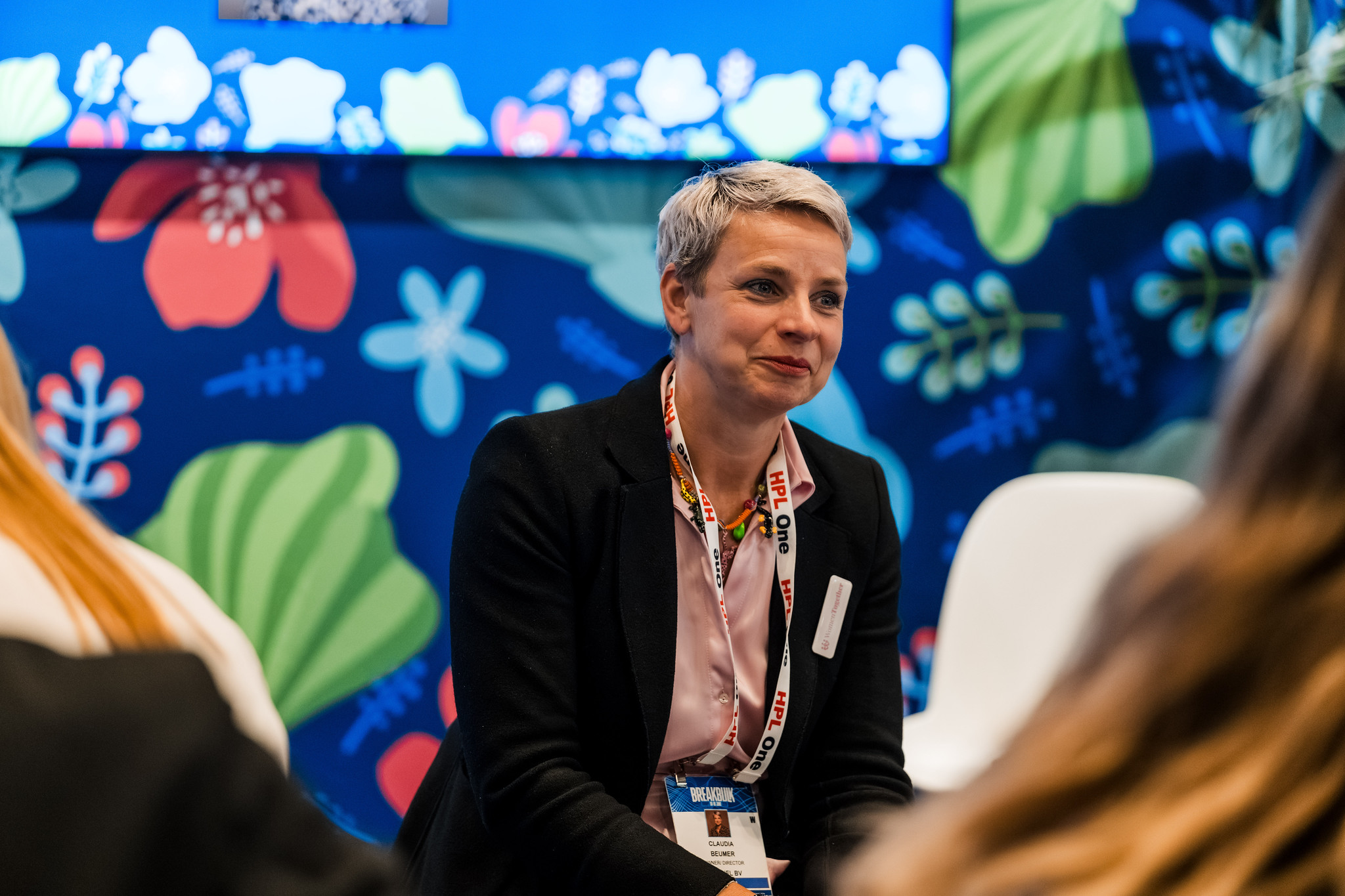
Every ship has to be fueled. That fact alone makes bunkering one of the most consequential operations in maritime, yet Claudia Beumer, owner and director of C4 Fuel, opened her Women in Breakbulk workshop with a pointed observation: bunkering is also one of the most invisible.
"It's one of the most invisible but most crucial parts of our industry," she said. "And I don't think it gets the attention that it should get."
Beumer has spent 16 years in the bunkering industry and brought a clear-eyed view of where it stands and what it will take to move it forward. Her workshop at Breakbulk Europe walked participants through the full bunkering value chain, the trends reshaping it and the question she considers most important: what can stakeholders do today to make the shift happen?
She started with history. The word "bunker" comes from the room where coal was stored on ships. Fuel is still traded in tons rather than liters for the same reason. The terminology has not changed since the coal age, and in some ways neither has the operation.
"Why, if we live in a world where nobody would use a Nokia phone anymore, do we still work in bunkering like we live in the Nokia age?" she said. "Why do we still do paper bunker delivery notes? Why do we still use Excel files for planning?"
The gap between where bunkering is and where it needs to be runs across the entire value chain. Fuel suppliers lack the data to make informed decisions about their own vessel fleets. Bunker operators manage complex logistics, including loading slots, weather, port congestion and just-in-time arrivals, largely without digital tools. Receiving vessels must verify fuel quality and quantity while simultaneously managing cargo operations. And because bunkering represents such a large share of operational costs, any delay or disruption hits profitability hard.
Compounding all of this is a fragmented internal structure. The fuel procurement manager, the logistics manager and the technical department each have different KPIs and do not always communicate.
"It's not just buying fuel anymore," Beumer said. "It becomes more and more of a strategy to make sure that you get the right fuel in the right place."
The energy transition raises the stakes further. New fuels including LNG, ammonia and hydrogen each bring their own availability, compatibility and safety challenges. LNG is the most mature of the alternatives, Beumer noted, yet compatibility issues between LNG-fueled vessels and LNG bunker vessels persist because shipyards and ship designers have not always been part of the same conversation as the operators using their vessels.
On regulations, Beumer offered a nuanced view. Mandatory electronic bunker delivery notes in Singapore proved that without regulatory pressure, the industry will not adopt new tools voluntarily. But regulations can also become an excuse for inaction when the future regulatory picture is unclear.
"It's a love-hate relationship," she said. "Sometimes we need them to force people to make that step, but sometimes they are also holding us back."
The path forward, she argued, runs through collaboration. Spot purchasing gives way to long-term partnerships. Ports play a facilitation role. Ship designers and operators sit at the same table. Frontrunners make the first move so the rest of the industry can follow.
"Fuel procurement will become more of a strategy instead of a procurement matter," she said. "As stakeholders in the industry, we all have a role to play. Otherwise, in 2050, we'll still work like we all have a Nokia and we sail on coal."
About This Series
This article was developed from a workshop hosted by the Women in Breakbulk Lounge during Breakbulk Europe.
Title: Bunkering 2.0 Date: Tuesday, June 16, 2026 Location: Women in Breakbulk Lounge, Breakbulk Europe, Rotterdam Ahoy Speaker: Claudia Beumer, Owner and Director, C4 Fuel; Women Together and WISTA The Netherlands Session URL: https://europe.breakbulk.com/agendas/event-agenda/bunkering-20
Become a member of the Women in Breakbulk network and get all the news and event updates about women in our industry.




.png?ext=.png)





.png?ext=.png)




_1.jpg?ext=.jpg)